Cardiac Tumour Excision
Precise surgical removal of heart masses to preserve heart function and safety.
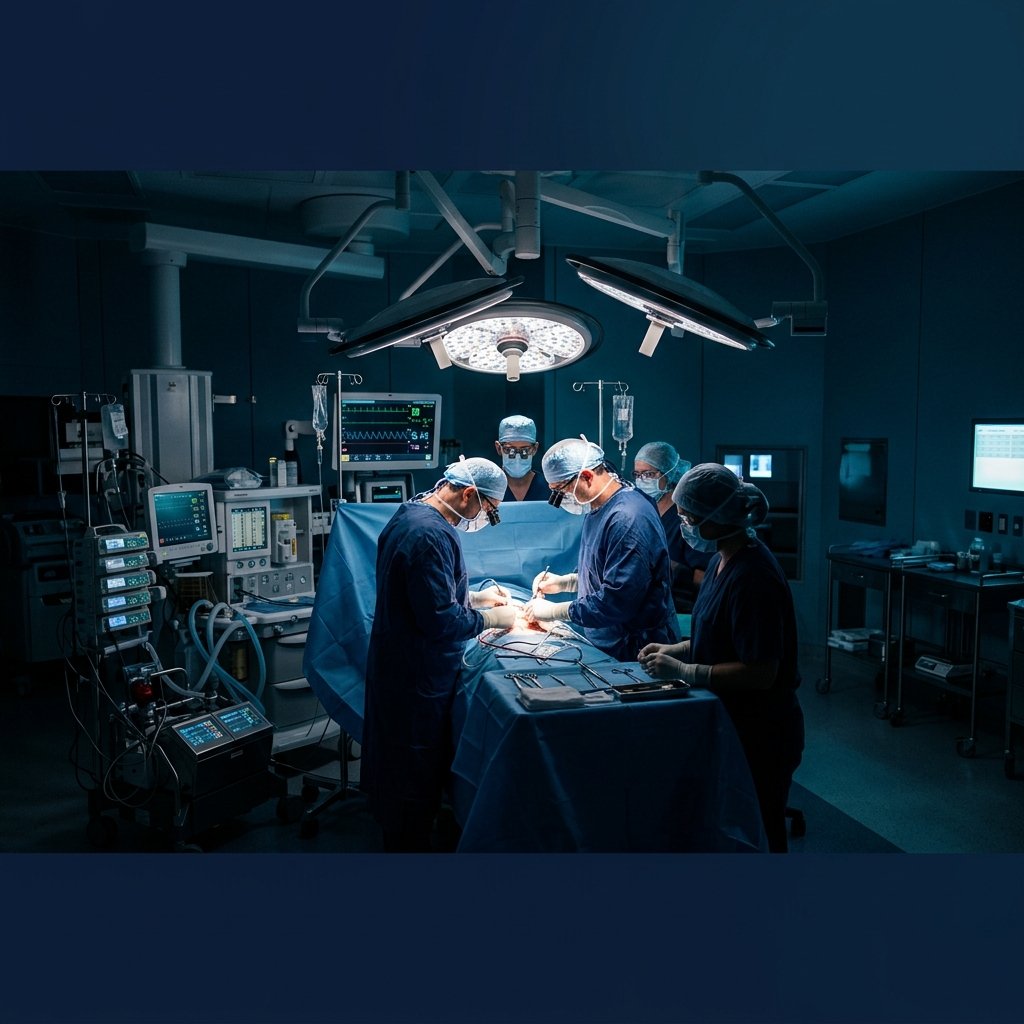
Precision Cardiac Tumour Excision
Primary heart tumors, such as Atrial Myxomas, require immediate and expert surgical attention. Although often benign, these growths can obstruct blood flow or fragment, leading to life-threatening strokes. Dr. Chintan Mehta utilizes advanced microsurgical techniques to perform complete tumor excision while meticulously preserving surrounding cardiac structures.
Clinical Symptoms & Surgical Urgency
Tumors can be silent until they grow large enough to cause symptoms. Immediate surgical evaluation is needed if tests show a mass and you have:
- Sudden dizziness or fainting
- Chest pain that changes with posture
- Unexplained heart failure symptoms
- Systemic signs like fever or weight loss
Surgical Approach
Dr. Mehta performs excision under direct visualization using cardiopulmonary bypass. The priority is to remove the tumor and its "stalk" completely to prevent recurrence. He also carefully inspects all heart chambers to ensure no other masses are present. In cases where the tumor involved a heart valve, he performs concurrent valve repair.
Key Benefits
Stroke Prevention
Removing the tumor eliminates the risk of tumor fragments embolizing and traveling to the brain.
Restores Normal Flow
Eliminates the "ball-valve" effect where tumors can suddenly block heart valves.
Recovery & Follow-up
Following tumor excision, patients typically stay in the hospital for 5-7 days. Recovery is similar to other open-heart procedures. Because some heart tumors can regrow (though rare), Dr. Mehta schedules regular echocardiograms during the first few years after surgery to ensure your heart remains clear.
Expert Cardiac Oncology
Operating on the heart's delicate internal structures requires exceptional dexterity. Dr. Mehta's meticulous approach minimizes the risk of tumor fragmentation during removal, ensuring patient safety.